From the device on the shop floor to your back office · usually built in days

Software that's already running by Friday.

Custom software, integrations between systems, internal tools and apps. And where it's needed, the software on the device itself too. With AI, that usually costs far less time and money than you'd expect: 2 days to work out what's worth building, 5 to build it. Bigger work is just as possible. Something is already running by the end, not a report in a drawer.

reading invoices · searching through quotes · pre-filled order emails · warehouse lists · reading the accounting package · work orders
2–5days to a first result
1person, no team in between
€1,300for the first 2 days, fixed price
Fixed price, no surprises

The packages

Two days

on site

€1,300

Two days to map your processes and systems and work out what’s worth building — using AI as a tool, not as the pitch. You get a ranked list, one small working piece on your own data, and the honest verdict if custom software isn’t the right step yet.

Five days

on site

€3,250

Five days on site: from analysis to working software — an internal tool, an integration or an app your team can use and maintain from day one.

Individual days

Day rate

€650/day

For teams who want to keep building after the five days, or whose earlier software needs adjusting: individual days at a fixed day rate, with no new engagement to set up.

Introductory rate for the first 10 engagementsPrices excl. VAT.

The builder

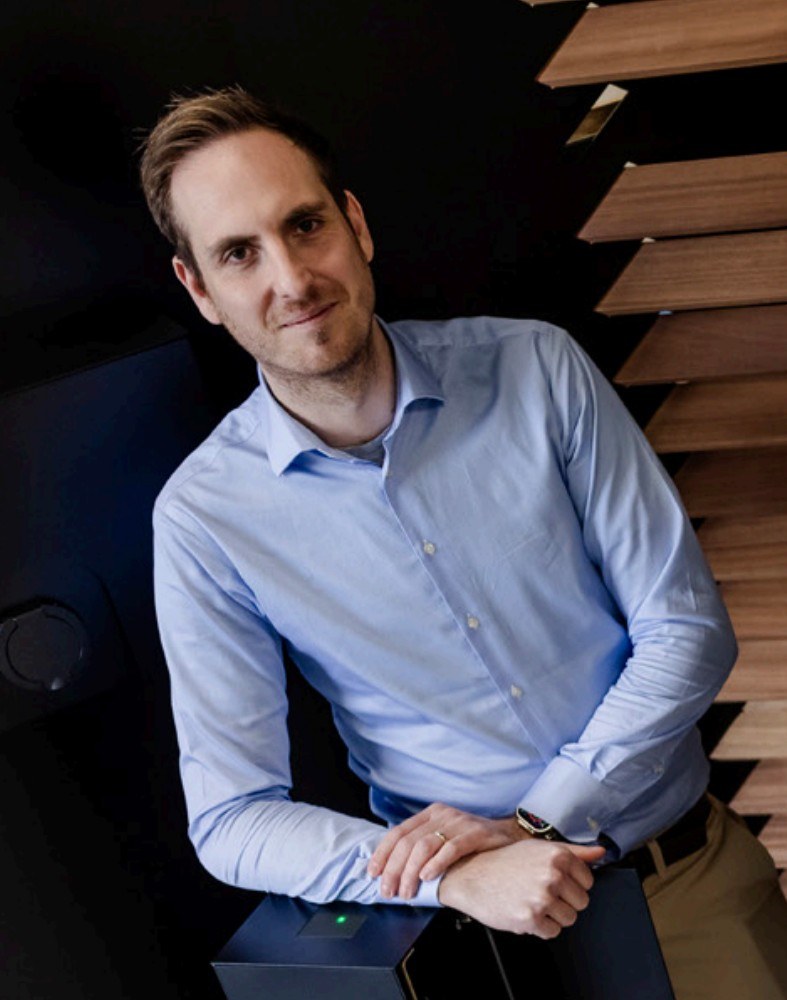
Behind Niklu is Jens Téblick. Niklu is young: there's no long client list to point to, and nobody is going to invent one. What there is: seventeen years spent building things and keeping them running.

He started out in web hosting. That grew into Lemon Companies, which built web applications and developed software — founded, grown and sold. Then he moved to the other side of the table with something entirely new: Veton, a Belgian manufacturer of design EV charging stations.

There, he still handles the full technical build today: the mechanical design in SolidWorks, the firmware on the device, remote updates, the cloud platform, the app and the ERP integration. That's how he knows what goes wrong when software has to drive a physical device hanging on a wall at someone's site.

Prefer two days looking at what's actually going on in your business over trying to convince you of it upfront. If it's not a match, you just say so, and it hasn't cost you anything.

What's still running

Systems that are still running today.

02 — Cases

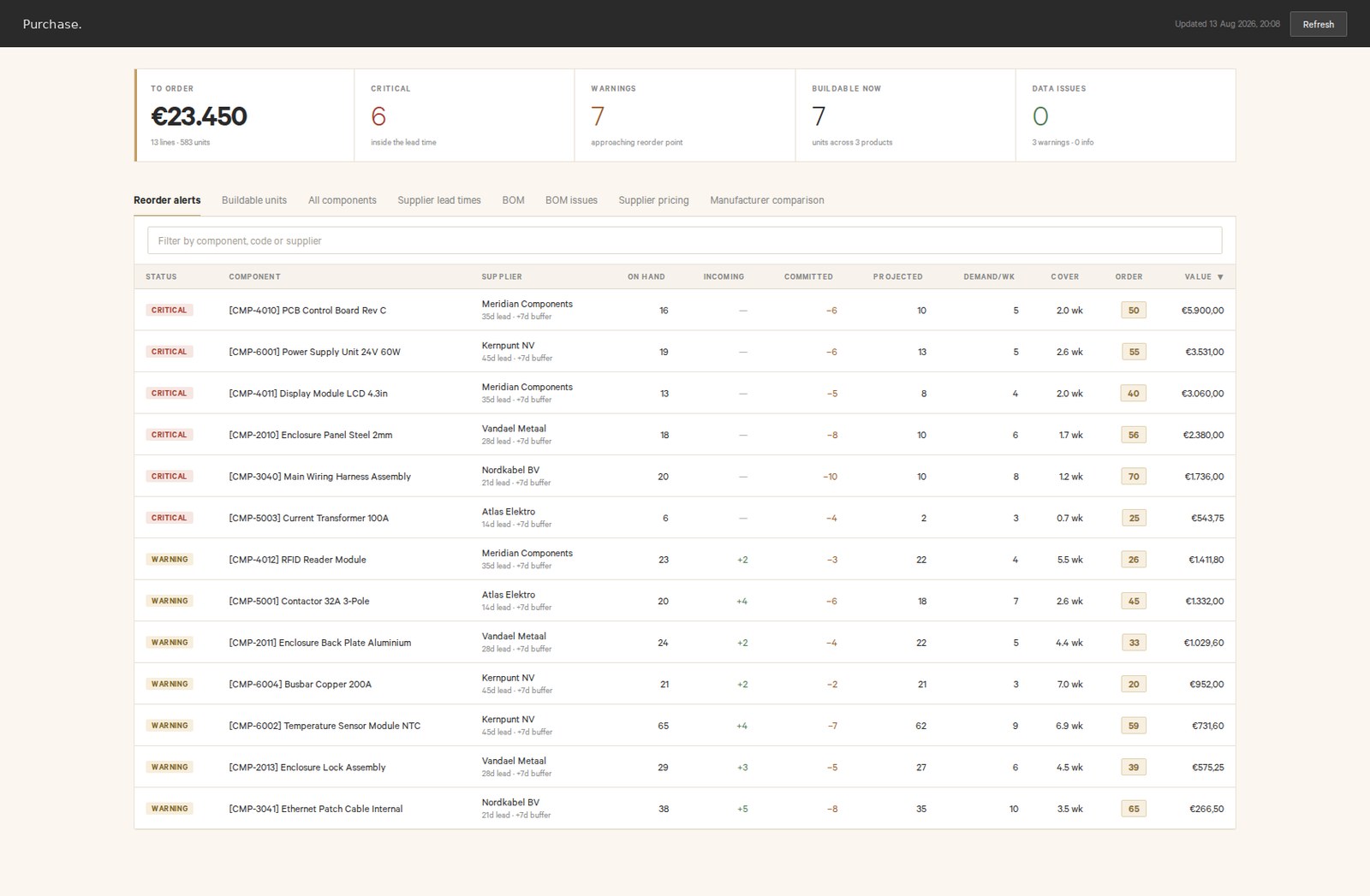
fig. 01 — Purchasing and stock signals

Stock overview with items, current stock, reorder point per item, and a signal once an item needs reordering.
Real interface, sample data

Purchasing and stock signals

Reorder points, safety stock and an ABC breakdown calculated from his own order history — no crystal ball, just a timely signal when something is about to run out.

Needed a foundation to build on: roughly a year of order history and known lead times.

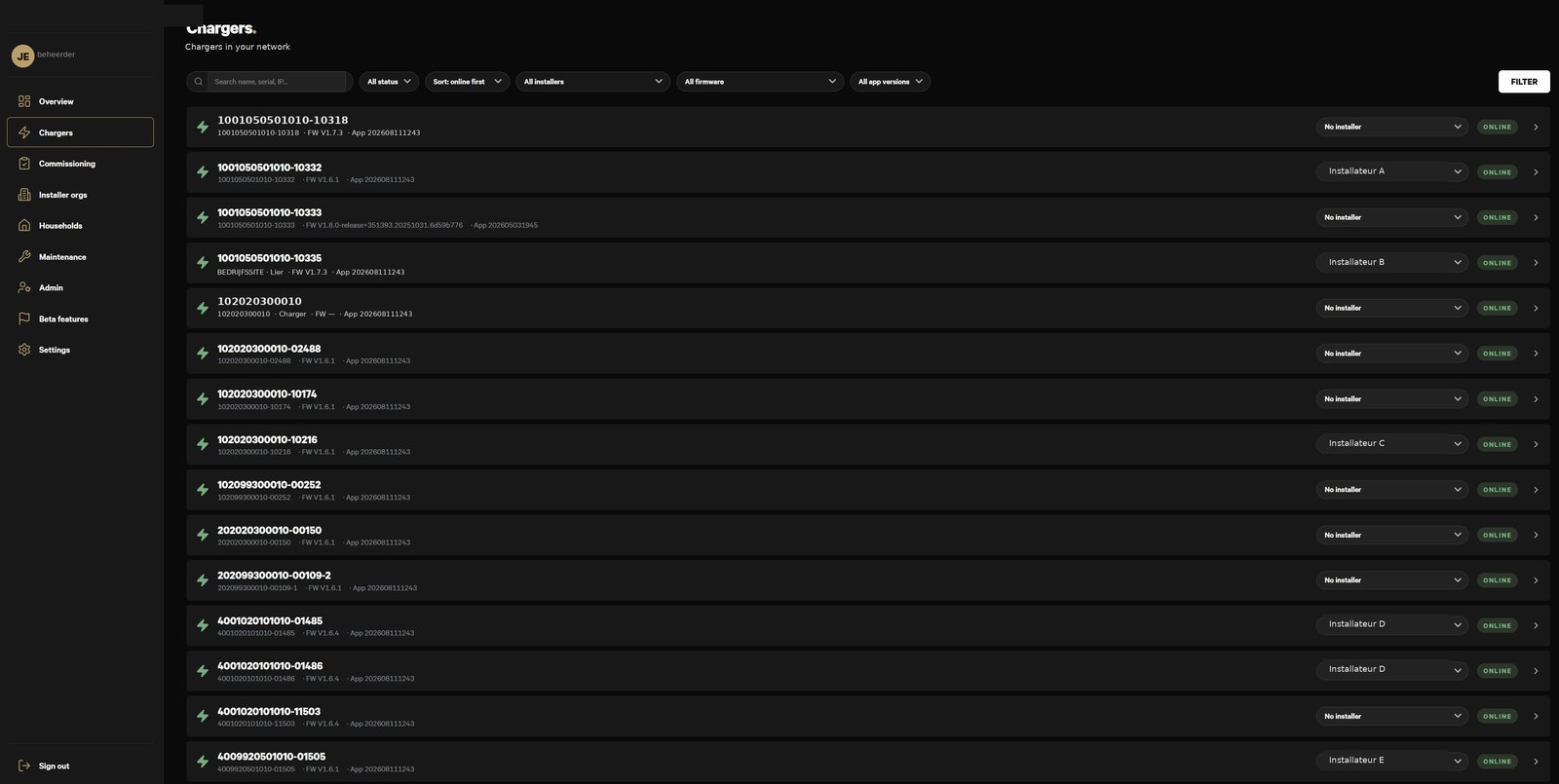
fig. 02 — Devices in the field, from firmware to dashboard

Admin screen listing devices in the field, their software version, and the time of their last check-in.
Real view, data anonymised

Devices in the field, from firmware to dashboard

Hundreds of devices at customers' sites, each running firmware he wrote himself, updated remotely. A failed update rolls back on its own, so none of them ever gets stuck on someone's wall.

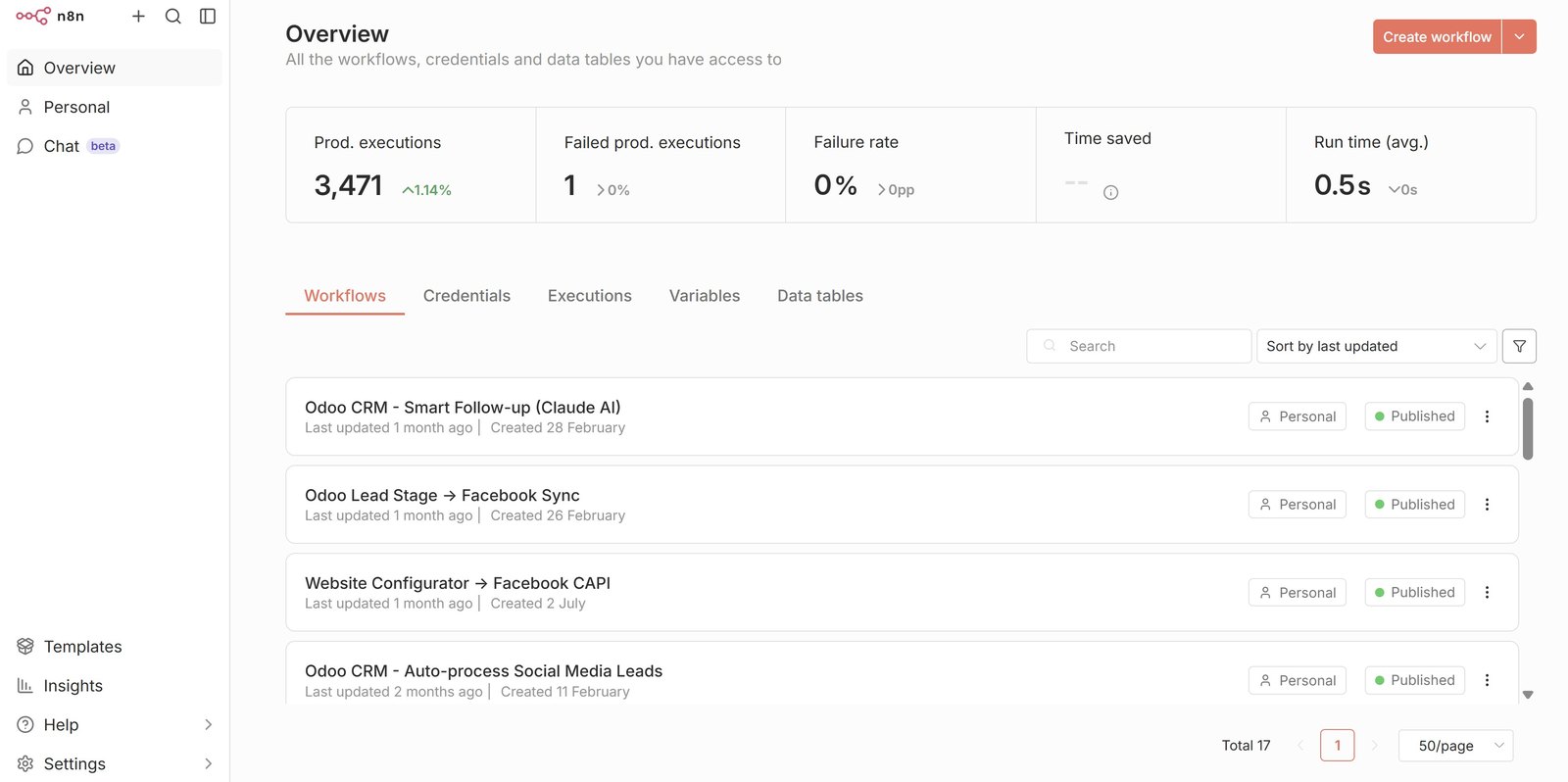
fig. 03 — Automatic lead and email follow-up

n8n workflow that automatically follows up a new lead: first reply, reminder, and a nudge to the right person.
Real view

Automatic lead and email follow-up

Follow-up flows built in n8n, running in a self-hosted container — editable later without commissioning new custom work.

Where it usually breaks down

Between the shop floor and your back office, there's a gap.

The machine, the measurement setup or the device at your customer's site knows something. Your ERP, your planning or your accounting knows something else. In between, there's usually a person with a spreadsheet.

That gap stays because two kinds of people look at it. The software vendor knows your back office and stays away from the device. The installer knows the device and never touches your software. Both are right about their own half.

At Veton, he walks that whole chain himself, every day, from the enclosure to the ERP. For the electronics he works on existing platforms like ESP32 and Arduino: he writes the firmware, connects them, and keeps them updated remotely. He doesn't design printed circuit boards from scratch. The same approach works just as well when there's no device involved at all.

The second half of the work

A report isn't finished until a decision follows from it.

At Veton, the work goes beyond the technology. He handles purchasing, plans production and tracks stock. Finance, reporting and customer follow-up are part of that too.

That difference shows in what gets built. A report that shows everything is easy to make and rarely useful. The question is what you do with it tomorrow: order or wait, adjust a price, call a customer. Software that doesn't answer that is just a pricier version of your spreadsheet.

Anyone who has worked with a stock list that was accurate and still said nothing builds the next one differently.

The third layer

Building fast isn't the hard part. Keeping it running is.

Most people who build fast with AI can't run the result in production. Most people who can run production don't build fast. Seventeen years of building companies and doing the engineering inside them. Today still building and operating Veton's firmware, cloud platform, app and ERP integration. That's the other half of what Niklu delivers: permissions and a data model deliberately designed from day one, no silent failures, and software that keeps running after handover, on infrastructure that's yours.

03 — When not

Not every process is a good fit.

Not every problem is a good candidate for custom software, or for AI as part of how it gets built. Too little history, a process that's about to change anyway, or simply no worthwhile result within budget: it happens. If that's the honest conclusion, you hear it in the first days, not after the engagement, and at no extra cost or separate advisory step.

04 — Contact

Ready to see what's possible?

Video call in your browser — nothing to install, no preparation needed, no obligations.